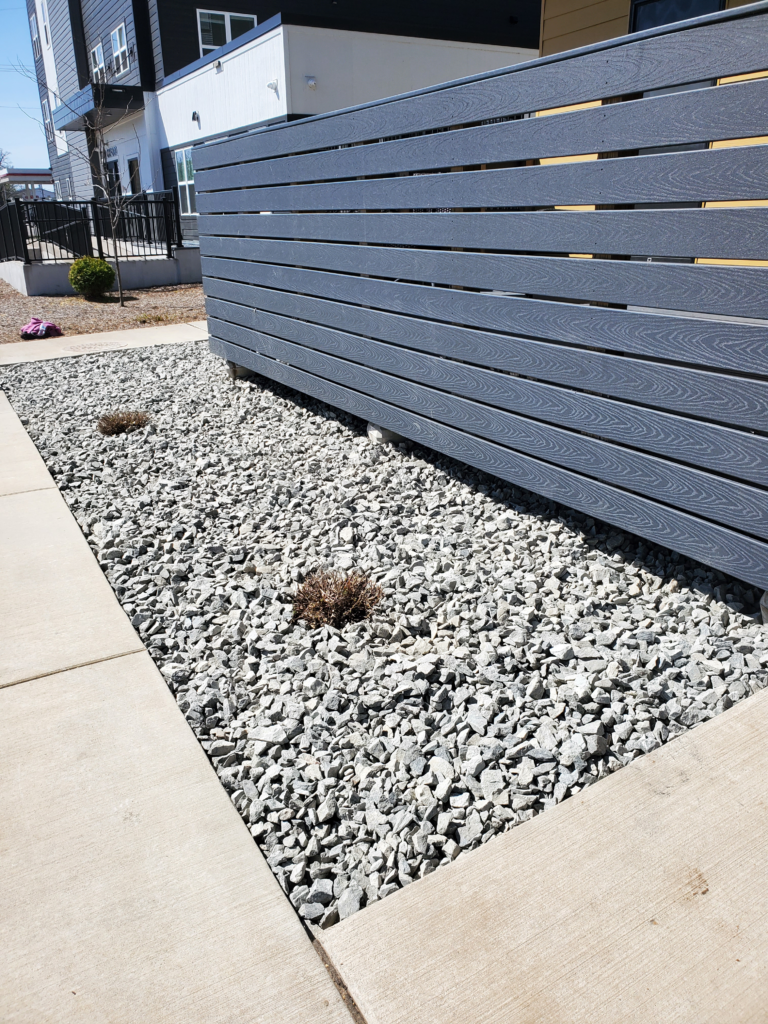
When it comes to upgrading your home’s curb appeal, few things deliver a cleaner, more permanent transformation than decorative landscaping rock. Unlike mulch, which needs to be top-dressed and replaced every spring, high-quality stone is a one-time investment that keeps your property looking sharp for years.
But walking into a supplier yard can be overwhelming. With so many colors, shapes, and sizes available, how do you know which rock is right for your home?
Choosing the perfect landscape stone comes down to balancing durability, function, and style. Here is a breakdown of the most popular decorative rocks in the Chippewa Valley and how to pick the right one for your project.
1. Consider the Functional Goal (Size Matters)
Before looking at colors, you need to choose the right size stone for the job. If you pick a rock that is too small, a heavy Eau Claire rainstorm could wash it away. If it’s too large, it might be difficult to plant around.
- 1-and-a-Half Inch Stone: This is the absolute “sweet spot” for most home landscaping beds. It’s heavy enough to stay put during summer thunderstorms, but small enough to rake easily and lay smoothly around your plants.
- 3/4-Inch Stone: Best used for smaller accent borders, dog runs, or pathways where you want a smoother walking surface.
- Large Boulders & Cobblestones: Ideal for catching heavy runoff near downspouts or creating dramatic focal points in tiered yards.
2. Match the Rock to Your Home’s Architecture
Your landscaping should look like an extension of your home, not an afterthought. The color of your stone should complement your siding, trim, and roof.
- For Warm Tone Homes (Beige, Tan, Brick): Traditional River Rock is a classic choice. It features a natural blend of earth tones, tans, and soft grays that blend seamlessly with traditional architecture.
- For Modern or Cool Tone Homes (White, Gray, Dark Blue): Trap Rock offers a sharp, deep gray or charcoal look that provides a beautiful, high-contrast border against modern home designs.
- Looking for a Pop of Color? If you want something truly unique that stands out from the standard grays and browns, keep an eye out for regional favorites like Purple Sunset, which adds rich, warm tones that look incredible both dry and wet.
3. Factor in Maintenance and Longevity
While all rock is low-maintenance compared to mulch, different types of stone behave differently over time.
- Granite and Trap Rock: These are incredibly hard, durable stones. They hold their dark, sharp colors for decades without fading or breaking down under the harsh Wisconsin freeze-thaw cycles.
- Limestone: While affordable, limestone is more porous. Over time, it can slightly alter the pH of your soil, which is something to keep in mind if you have acid-loving plants like hydrangeas nearby.
Let the Pros Handle the Heavy Lifting
Choosing the right rock is only half the battle—shoveling, hauling, and wheelbarrowing tons of heavy stone across your yard is a great way to ruin a weekend.
At Garbers & Sons, we don’t just deliver the material; we handle the site prep, commercial-grade weed barrier installation, and precision spreading so your new landscape looks flawless from day one.